
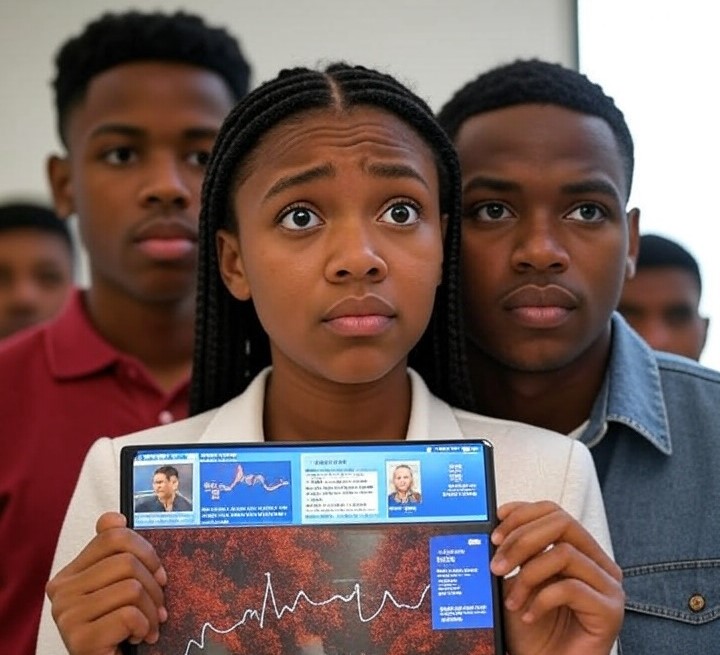
Artificial Intelligence (AI) is no longer a distant frontierit’s the engine reshaping the global workplace. In Africa, where over 60% of the population is under the age of 25, the stakes are uniquely high. From Nairobi to Lagos, AI is redefining what it means to work, learn, and lead. But will Africa’s youth ride this wave, or be swept aside by it?
Why It Matters: The Youth Dividend Meets the Digital Divide
According to the McKinsey Global Institute, up to 25% of workers worldwide may need to change jobs because of automation. In Africa, this change is intensified by a gap between education and market demands. Less than 25% of African university students are studying STEM fields, yet these are the skills that AI-driven economies require. As AUDA-NEPAD’s white paper states, “AI presents a powerful tool for shaping a dignified future of work in Africa,” but only if infrastructure, education, and inclusive policies keep up.
What People Are Saying: Myths vs. Truths
There’s no shortage of noise around AI. Some fear mass unemployment; others hail it as a silver bullet. The truth lies in nuance. Dr. Megan Yates of Zindi emphasizes that “AI won’t replace humans; it will replace tasks.” Similarly, Caribou Digital’s report highlights that AI innovation clusters are already creating jobs in data labeling, machine learning, and digital services. The myth that AI is only for the elite is also fading, as grassroots AI communities emerge in places like Kigali and Accra.
How to Prepare: From Passive Consumers to Active Creators
Africa’s youth must shift from being passive consumers of technology to active creators. This means:
- Investing in digital literacy: Coding, data science, and critical thinking should be core to education.
- Building soft skills: Emotional intelligence, adaptability, and collaboration are AI-proof assets.
- Engaging in policy: Youth voices must shape AI governance to ensure equity and inclusion.
- Tapping into innovation hubs: AI clusters and bootcamps offer real-world exposure and mentorship.
A Future Worth Building
AI is not Africa’s threat, it’s its test. The continent has the opportunity to leapfrog legacy systems and build a future of work that is inclusive, innovative, and uniquely African. As AUDA-NEPAD puts it, “Africa can become a leader in socially responsible AI development”. The question is not whether AI will change the future of work, it’s whether we will shape that future with intention, courage, and vision.
Article by CELEG’s policy team
